When It Is Time to Seek Professional Gum Disease Treatment
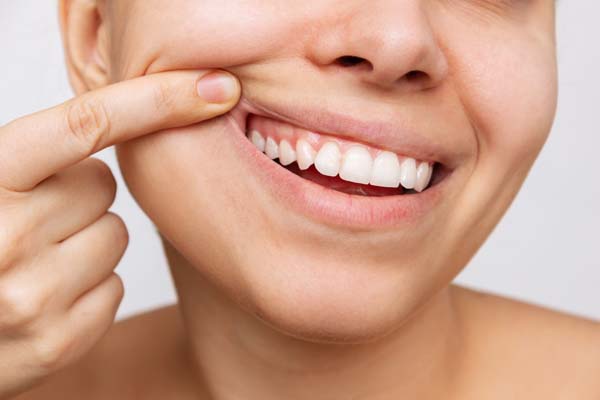
Knowing when to seek professional gum disease treatment helps preserve gum health, stop bone loss, and protect natural teeth. Early attention reduces inflammation before it spreads to the supporting bone, affecting chewing comfort. Gum disease, also called periodontal disease, starts when plaque hardens into tartar and irritates the gums. Over time, pockets form between the teeth and gums, trapping more bacteria. Addressing these changes promptly reduces the risk of tooth mobility, prevents recurring infections, and supports fresher breath and a confident smile.
Red flags to watch
Tender, puffy, or bleeding gums are not normal, even if symptoms seem mild or come and go. Patients should contact their dentist for an evaluation if they notice the following changes in their gum tissue:
- Bleeding when brushing or flossing
- Gums that look red, shiny, or swollen
- Persistent bad breath or bad taste
- Receding gums or teeth that look longer
- Teeth that feel loose or shift
These warning signs suggest the disease is active. Scheduling professional gum disease treatment during this window can shorten healing time and reduce the need for more complex procedures later.
When home care falls short
Daily brushing and interdental cleaning help prevent the progression of gum disease, but persistent bleeding or soreness after one to two weeks signals the need for a dental visit. Symptoms and risk factors include:
- Deep periodontal pockets
- Tartar below the gum line
- Severe gum recession
- Jaw discomfort when chewing or biting food
- Food impaction between teeth
- A history of gum infections
- Systematic health conditions or medications
In these cases, professional gum disease treatment targets bacteria below the gumline. As a result, this treatment can heal the soft tissues and help stabilize the patient's bite.
How dentists treat it
A general dentist begins with charting pocket depths, measuring gum recession, and reviewing X-rays to assess bone levels. The next step typically includes scaling and root planing, a careful cleaning process that removes tartar and smooths root surfaces so gums can reattach to the teeth. Localized antibiotics or antimicrobial rinses may be necessary to reduce bacterial loads in deep sites. In some cases, adjunctive therapies such as laser decontamination can help reduce biofilm around the teeth.
Re-evaluation in the weeks following treatment can confirm the patient is healing. The dentist will evaluate any changes in the periodontal pockets and determine whether further care is needed. When bone defects or advanced recession are present, referral for regenerative procedures, grafting, or pocket reduction may be appropriate.
After active therapy, a three- to four-month periodontal maintenance schedule limits bacterial repopulation and monitors home-care results. Throughout each phase, professional gum disease treatment aligns with personalized risk factors, including dry mouth management, nutritional guidance, and tobacco cessation support.
Schedule periodontal care
Healthy gums support overall wellness, comfortable chewing, and long-term oral stability. If bleeding, tenderness, or changes in breathing persist, a timely exam can identify the cause and outline a step-by-step plan that fits daily life. For more information or to schedule an appointment, call our Key West office.
Request an appointment here: https://paradisedentalkw.com or call Paradise Dental Care at (305) 703-2523 for an appointment in our Key West office.
Check out what others are saying about our dental services on Yelp: Gum Disease in Key West, FL.
Related Posts
Teeth whitening can help brighten natural enamel when stains come from foods, drinks, aging, or normal daily habits. Dentist-supervised at-home treatment uses custom trays and whitening gel to create a more controlled process than many store-bought products. However, an in-office visit is still necessary, as our dentist first checks the teeth, gums, and existing dental…
Family dentist recommendations play an important role in helping patients recover comfortably after a tooth extraction. Although the procedure itself is routine, proper aftercare supports healing, reduces the risk of complications, and helps patients return to normal activities as quickly as possible. As a family dentist, providing clear recovery instructions helps protect the extraction site…
A chipped tooth needs immediate attention to protect the structural integrity of a smile. Fortunately, an emergency dentist can provide this immediate and crucial care to preserve one's oral health and smile. Sudden trauma from sports activities, accidental falls, or biting down on hard foods can cause enamel fractures. When structural damage occurs, seeking a…
Your restorative dentist can give you a strong, stunning smile. Through the years, dental issues surface. A good provider of dental restorations can determine which treatments will suit you the most. Here are the details on choosing the ideal restorative dentist for your situation.This step is vital before committing to a restorative dentist. Be sure…