5 FAQs for a Kid Friendly Dentist
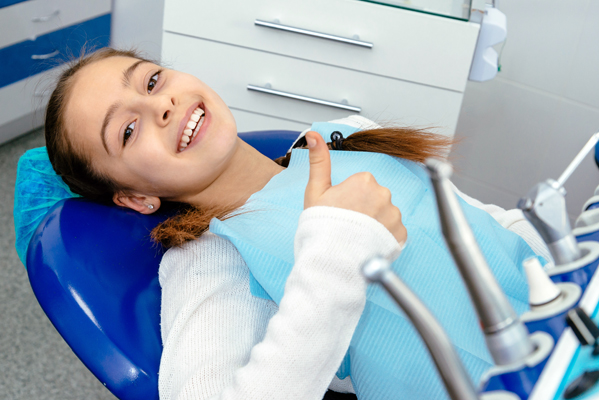
A kid-friendly dentist supports healthy habits, positive visits, and confident smiles from the first tooth forward. Parents often ask how to prepare children, what treatments to expect, and how to prevent cavities. These frequently asked questions provide clear guidance from a general, family, and pediatric care perspective, enabling families to choose the right kid-friendly dentist and develop a long-term plan for oral health.
1. At what age should a child first see the dentist?
Schedule the first visit by the child's first birthday or within six months of the first tooth eruption. Early visits create comfort, establish a baseline, and guide proper brushing, flossing, and dietary habits. The dentist checks growth patterns, tongue and lip ties, and the timing of tooth eruption. Parents receive coaching on fluoride, teething relief, and injury prevention. Early visits with a kid-friendly dentist can help reduce anxiety and encourage children to view dental care as a normal part of life.
2. How can parents prepare children for a visit?
Use simple, positive language. Read a short picture book about dental visits. Practice “open wide” at home. Plan appointments earlier in the day when your attention and energy are at their highest. Bring a favorite small toy for comfort. Please share any relevant medical history, current medications, or sensory preferences with the team. A kid-friendly dentist designs calm, engaging visits with tell-show-do steps, child-sized tools, and rewards that reinforce brave behavior and cooperation.
3. Which treatments support cavity prevention?
Prevention starts with daily brushing using a small smear of fluoride toothpaste for toddlers and a pea-sized amount for children over three years old. Floss once teeth touch. Choose water over juice between meals. Regular cleanings remove buildup that brushing misses. Professional fluoride helps strengthen enamel and reduce sensitivity. Sealants protect deep grooves on permanent molars from trapping plaque. A kid-friendly dentist develops a personalized prevention plan tailored to an individual's age, diet, risk level, and home routines.
4. What if a child feels anxious or struggles to sit still?
Many children feel uncertain in new settings. Teams trained in pediatric behavior guidance use friendly explanations, role-play, and short breaks to maintain comfort. Parents can model calm breathing and encourage small wins. For higher anxiety or complex needs, options may include nitrous oxide or oral sedation, always with careful screening and monitoring. A kid-friendly dentist prioritizes trust, communicates clearly, and celebrates progress to build lasting confidence.
5. How do nutrition and habits affect teeth?
Frequent snacking and consumption of sugary drinks can fuel cavity-causing bacteria. Offer structured meals and snacks, then water between meals. Choose cheese, yogurt, nuts, vegetables, and whole fruits. Limit sticky sweets and slow sipping. Introduce mouthguards for sports. Establish a consistent bedtime routine that concludes with brushing and refrain from offering post-brush snacks or bottles. Regular checkups with a kid-friendly dentist track growth, adjust fluoride recommendations, and reinforce healthy choices.
The bottom line
Strong habits, early visits, and supportive guidance all contribute to healthy smiles. Partner with a kid-friendly dentist, schedule regular checkups, and maintain daily home care to protect your enamel, prevent cavities, and foster a positive attitude toward dental health. For more information or to schedule an appointment, call our office at (305) 703-2523.
To schedule a consultation, request an appointment on our website at https://paradisedentalkw.com or call Paradise Dental Care at (305) 703-2523 for an appointment in our Key West office.
Check out what others are saying about our dental services on Yelp: Kid Friendly Dentist in Key West, FL.
Related Posts
Family dentist recommendations play an important role in helping patients recover comfortably after a tooth extraction. Although the procedure itself is routine, proper aftercare supports healing, reduces the risk of complications, and helps patients return to normal activities as quickly as possible. As a family dentist, providing clear recovery instructions helps protect the extraction site…
A chipped tooth needs immediate attention to protect the structural integrity of a smile. Fortunately, an emergency dentist can provide this immediate and crucial care to preserve one's oral health and smile. Sudden trauma from sports activities, accidental falls, or biting down on hard foods can cause enamel fractures. When structural damage occurs, seeking a…
A general dentist is the go-to dental professional to visit when needing a restorative procedure. Although the teeth are meant to last forever, accidents happen, and normal wear and tear and damage also occur. The result of both problems is needing to visit a general dentist for a dental restoration. Thankfully, there are many ways…
Teeth whitening can help brighten natural enamel when stains come from foods, drinks, aging, or normal daily habits. Dentist-supervised at-home treatment uses custom trays and whitening gel to create a more controlled process than many store-bought products. However, an in-office visit is still necessary, as our dentist first checks the teeth, gums, and existing dental…